
On Monday, after asking for permission, I spent some time peering into the Shipley Station Butterfly Meadow. The place was teeming with Burnet Moths.

The most common seemed to be the 5 Spot Burnet Moth.

6 Spot Burnet Moths were also feeding on the plentiful Knapweed.

They have long tongues to reach down into the flowers.

Many of the plant stems still had the cocoons on them and some of the moths looked as though they had only just emerged.

The imperitive is then to feed, mate and lay eggs; and by the looks of it not necessarily in that order.

I am making a bit of an assumption with this photo in saying that this is a 2nd male getting in on the act. Given that this is the sort of behaviour seen in many species I think I might be making a safe assumption.

It looks as though 5 and 6 Spot Burnet Moths are happy feeding next to each other.

There is not much blue on the female Common Blue butterfly so I was quite pleased to spot this. They are tiny.

The patterning on the male and female Common Blue is similar but they are slightly different colours. The male has more blue closer to the body and the female is more clearly brown and orange like this one

I also spotted a couple of other larger butterflies flitting about but I haven’t got the knack of identifying quickly moving ones but I did manage to point my camera at one of them and find that it was a Meadow Brown – at least that is what I think it is.
Several other little creatures were around – Bees and flies which I didn’t photograph. But I did take some of Harlequin Pupae, various spot Harlequins, and a little wasp(??), all of which you can see in the gallery below.
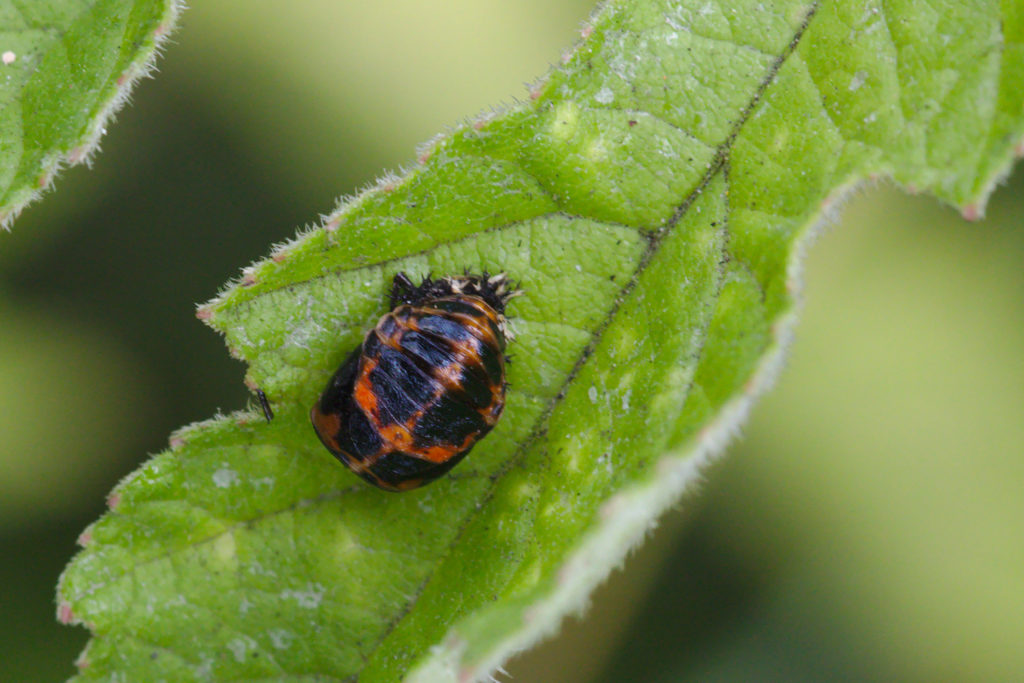
Harlequin Pupae 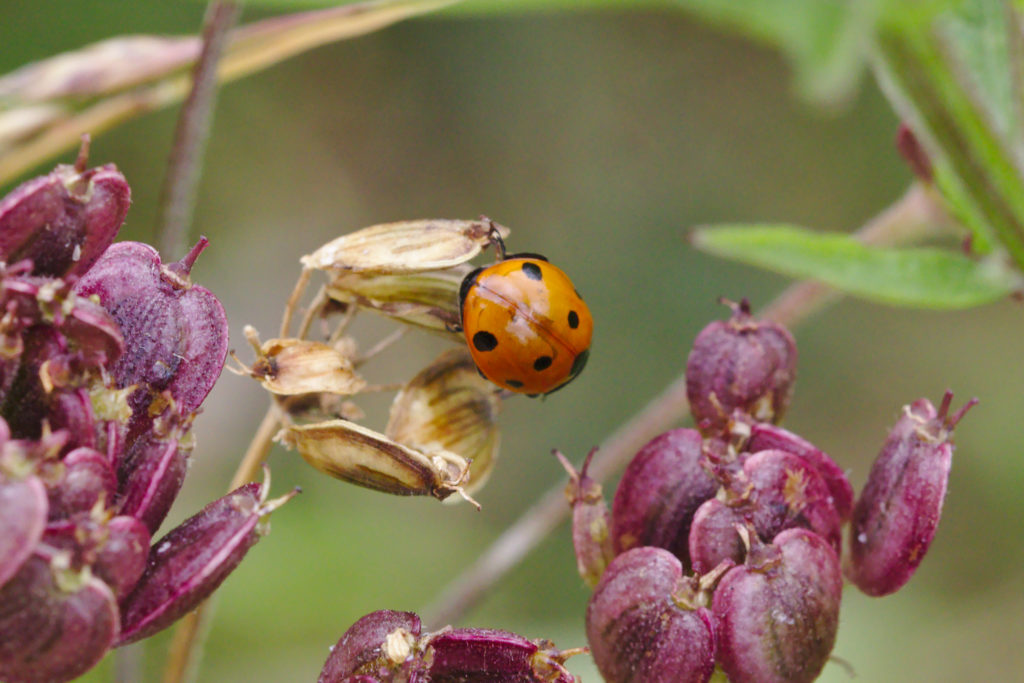
Harlequin Ladybird 
Harlequin Ladybird 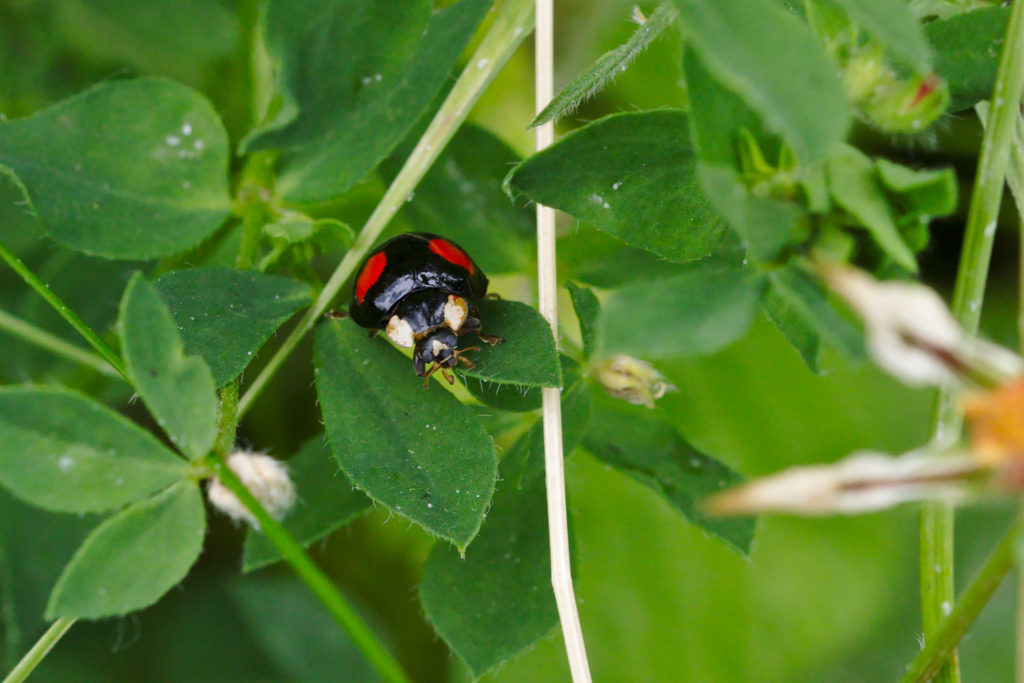
Harlequin Ladybird 
Harlequin Ladybird 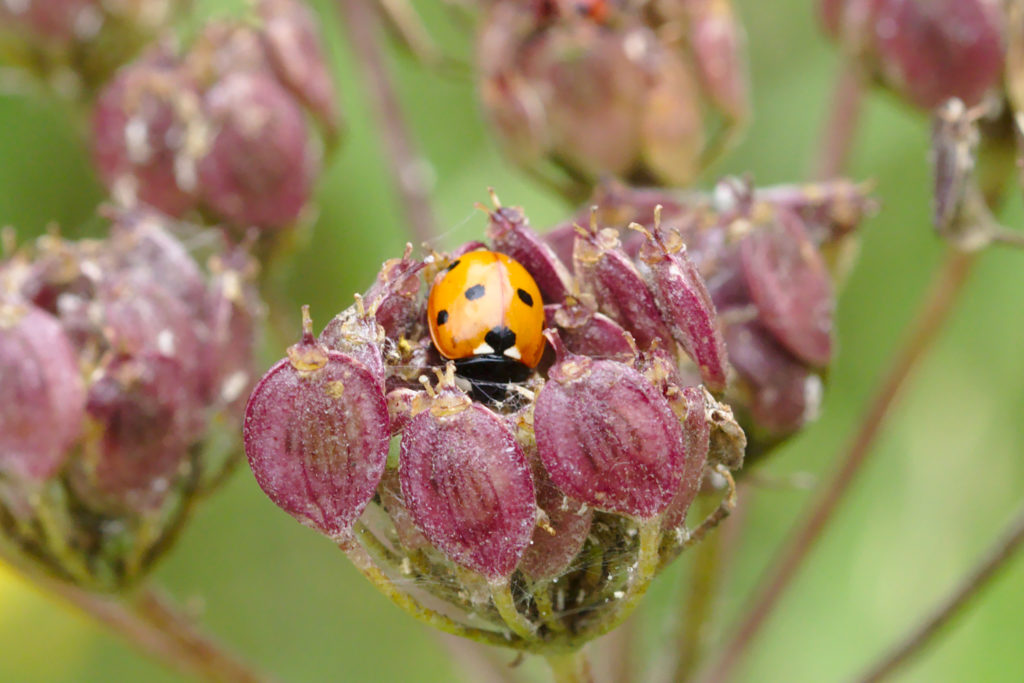
Harlequin Ladybird 
Ichneumon suspiciosus
Not only was there lots of Knapweed and Birds Foot Trefoil but also Geranium and Lesser Stichwort.
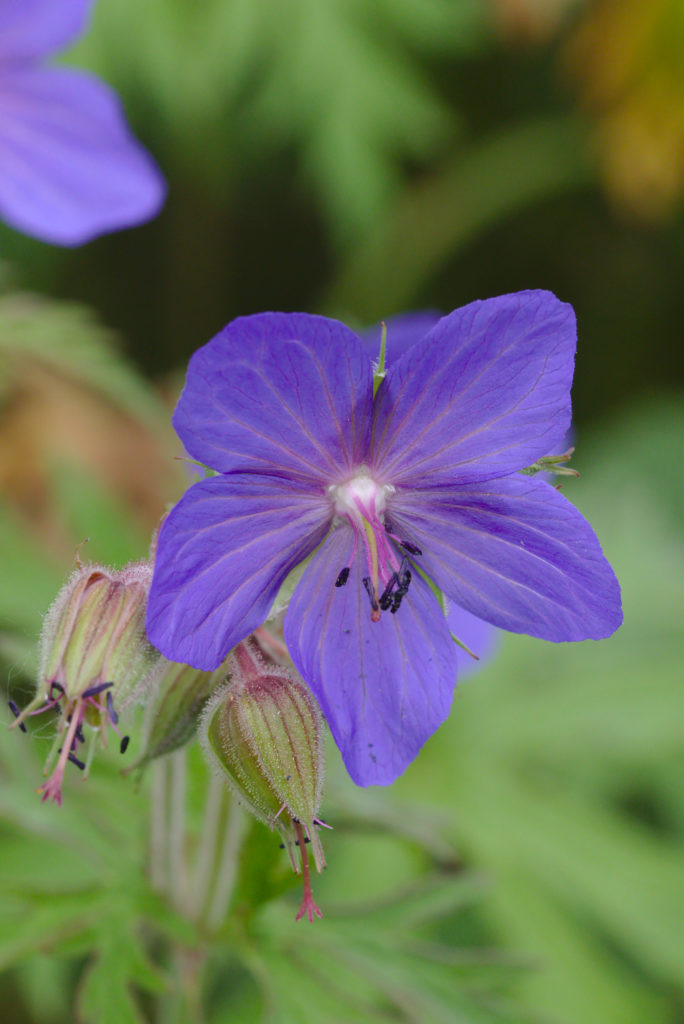
Geranium 
Lesser Stichtwort

I also had a look at the space between platform 5 and the carpark. I didn’t spot any more butterflies but did see several clusters of black Aphids with some of them being “milked” by Ants. You can just see a small droplet being collected by the upper ant on the left.
I then had a walk around the field on the other side of platform 4 where I was surprised at the number of dead bees on the paths.

Dozens of Ringlet Butterflies were flitting about, many of them deep in the grass.

A few Tortoishell butterflies were also in the grass. One of them landed on the paths as can be seen in the gallery at the end of this post.

With their colouring these Small Skippers were difficult to spot.

But the star, and the one I had been hoping to spot was a Marbled White. It was the only one I saw. I will visit again in a few days to see if there are any more.

Common Blue 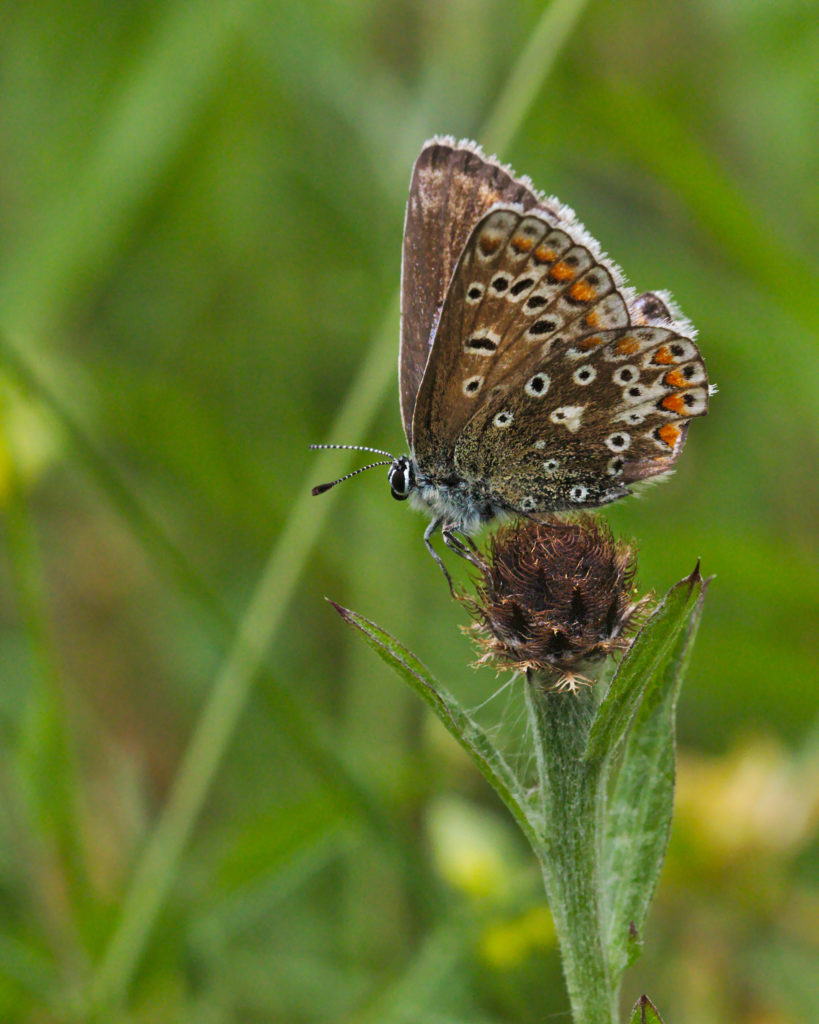
Common Blue 
Common Blue 
Common Blue 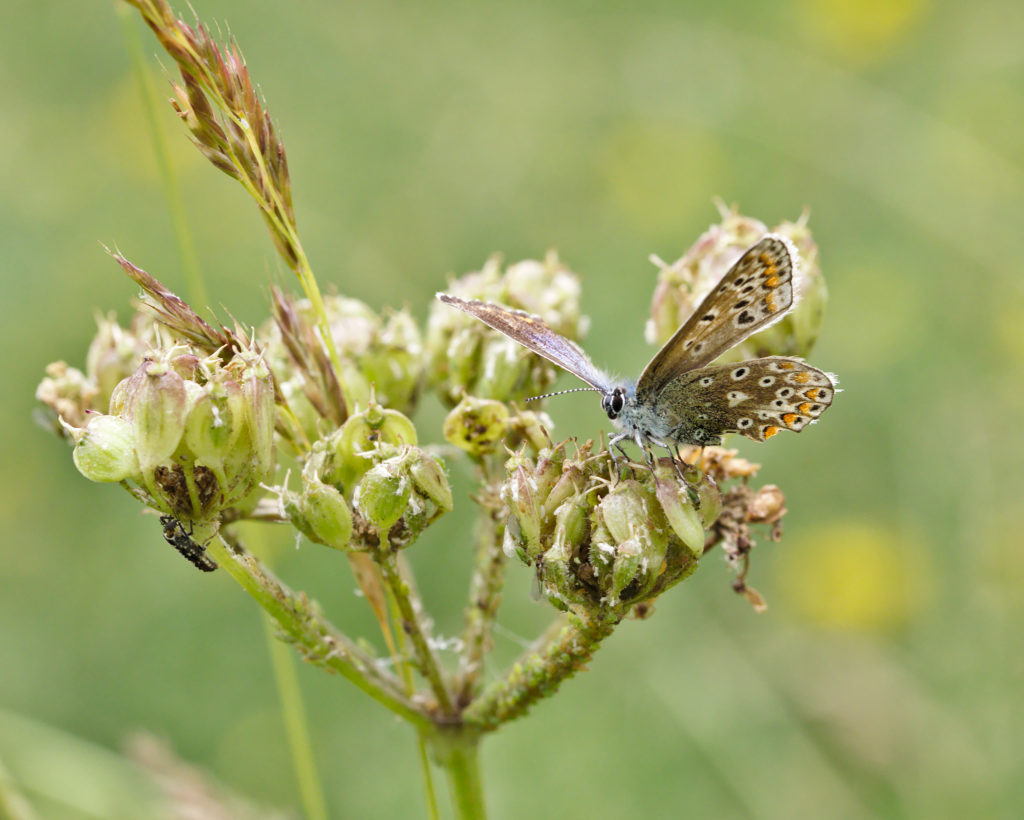
Common Blue 
Common Blue 
Burnet Moth 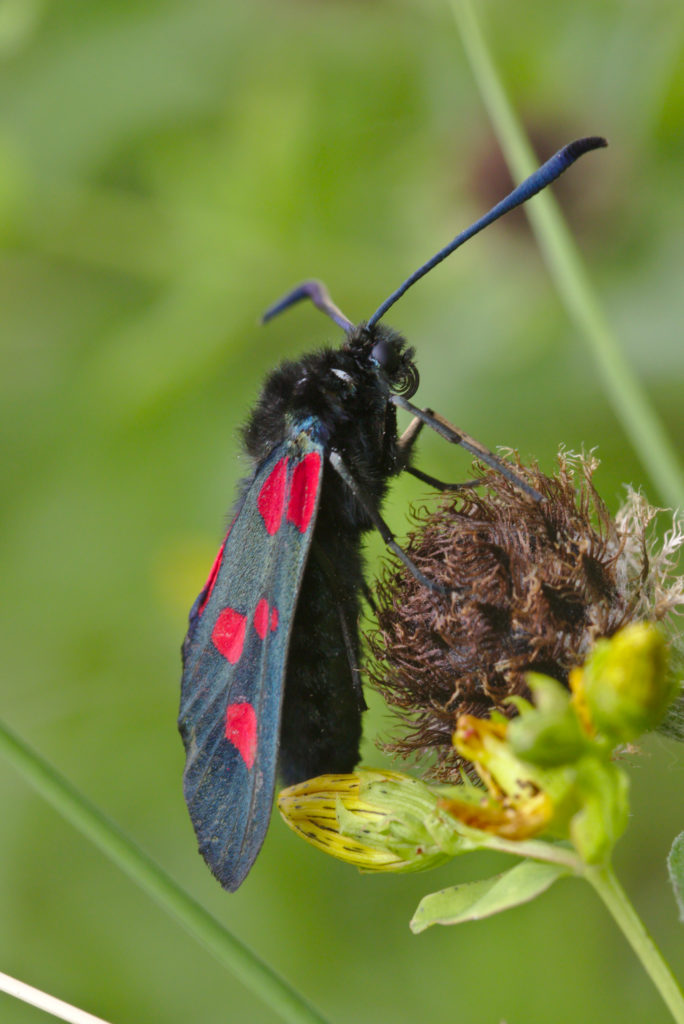
Burnet Moth 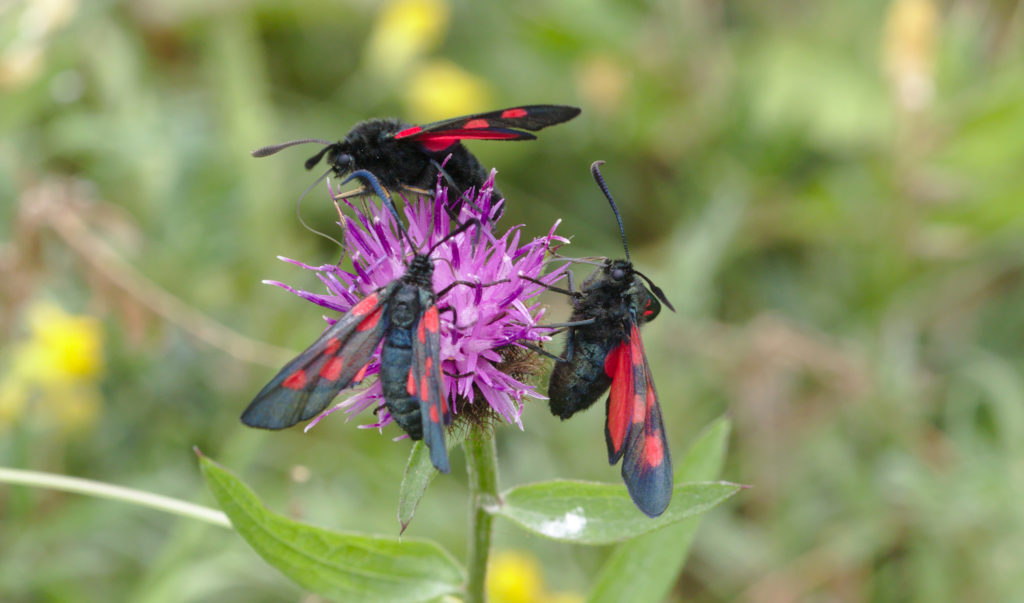
Burnet Moth 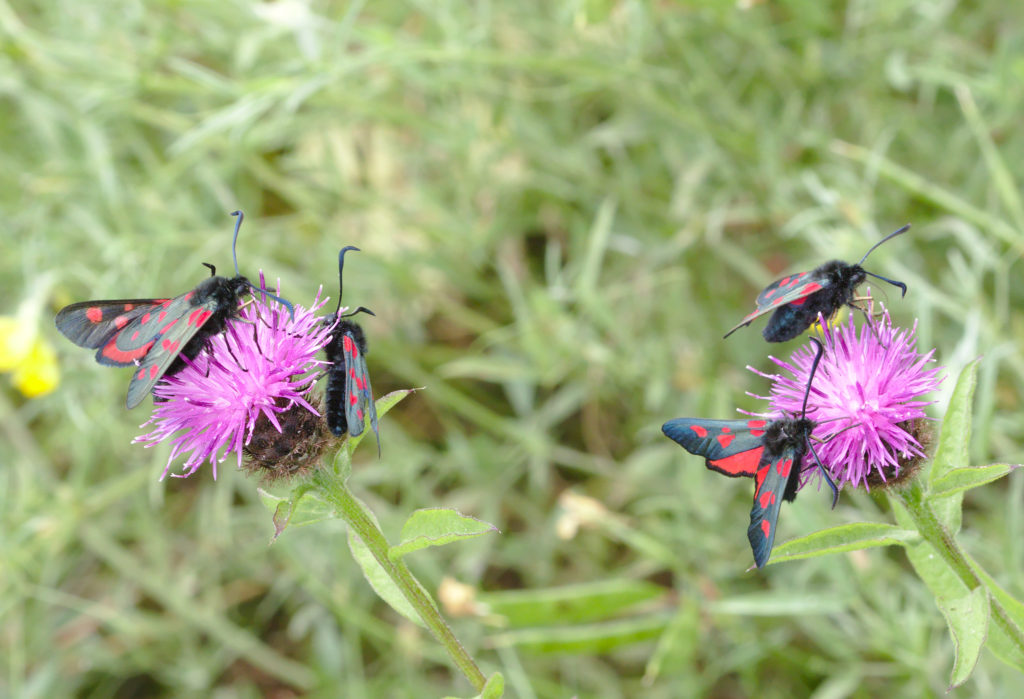
Burnet Moth 
Burnet Moth 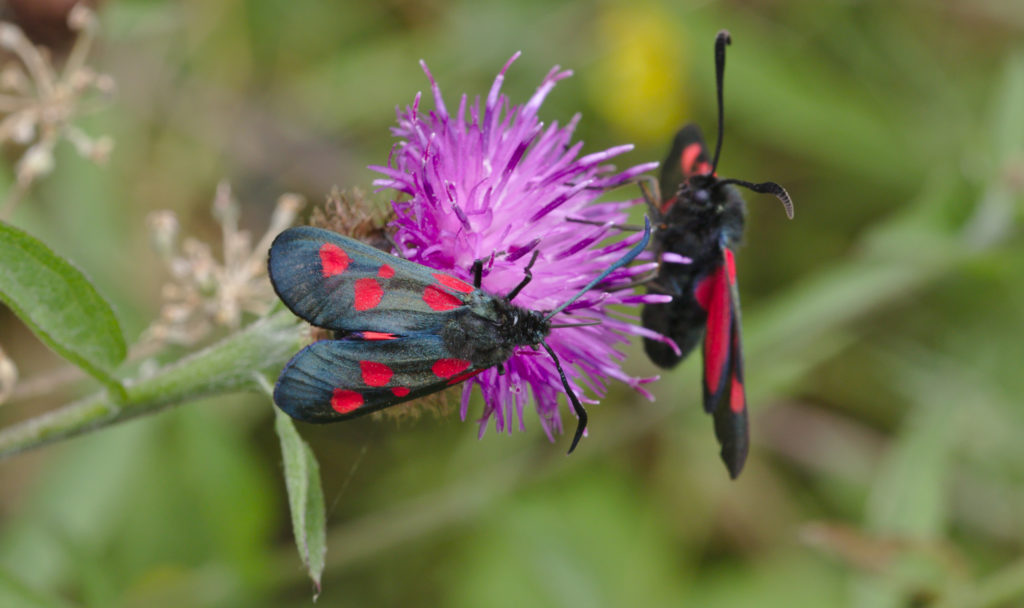
Burnet Moth 
Burnet Moth 
Burnet Moth 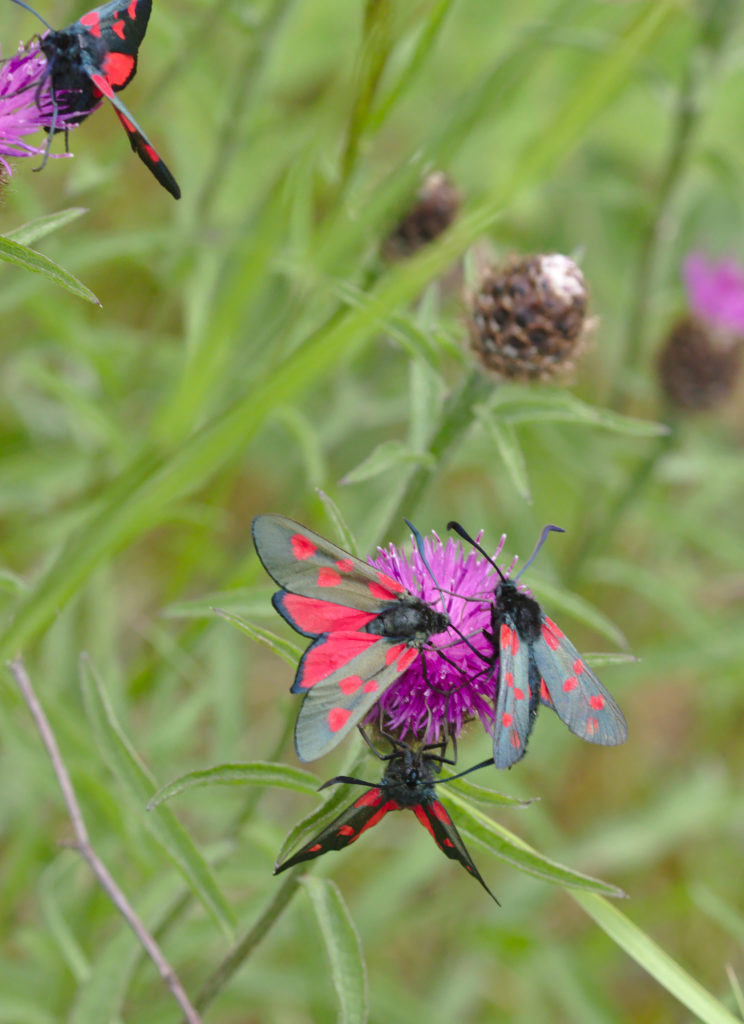
Burnet Moth 
Burnet Moth 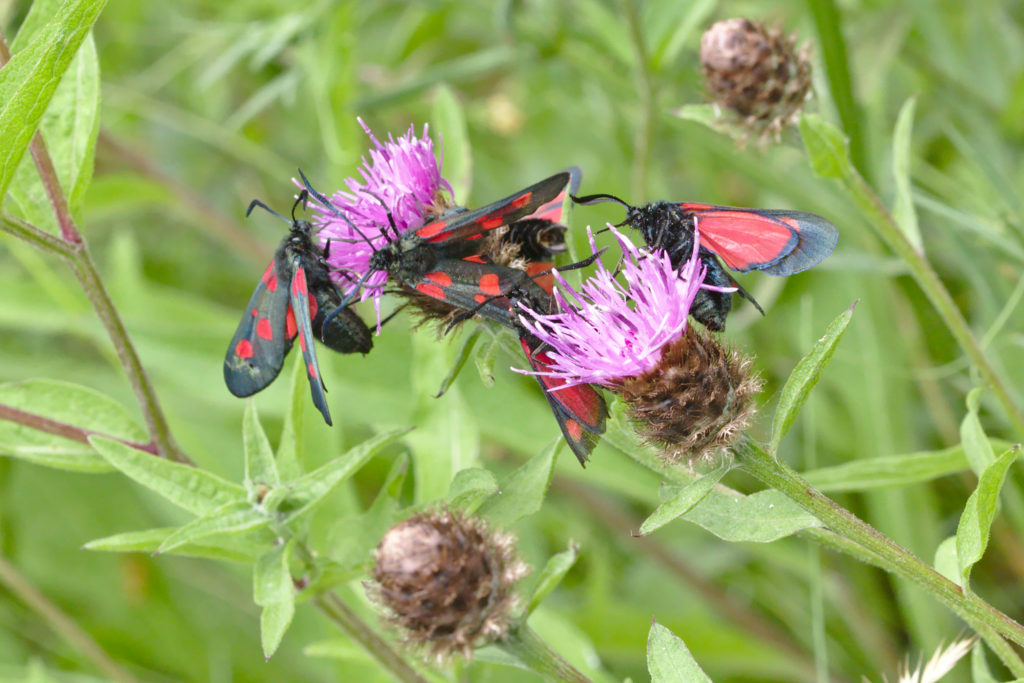
Burnet Moth 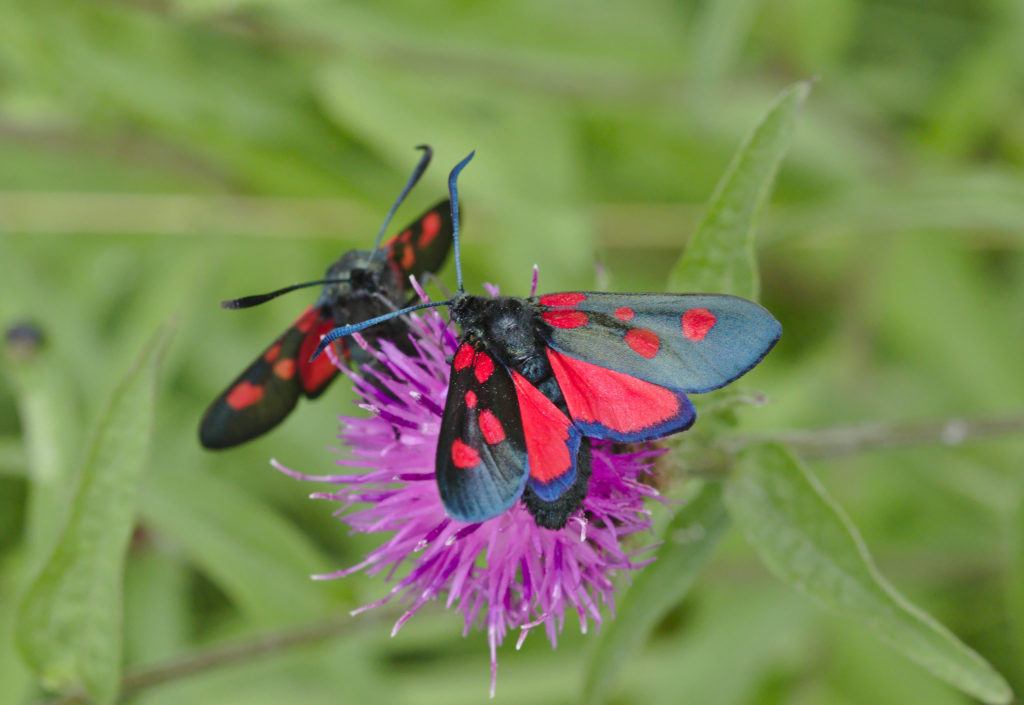
Burnet Moth 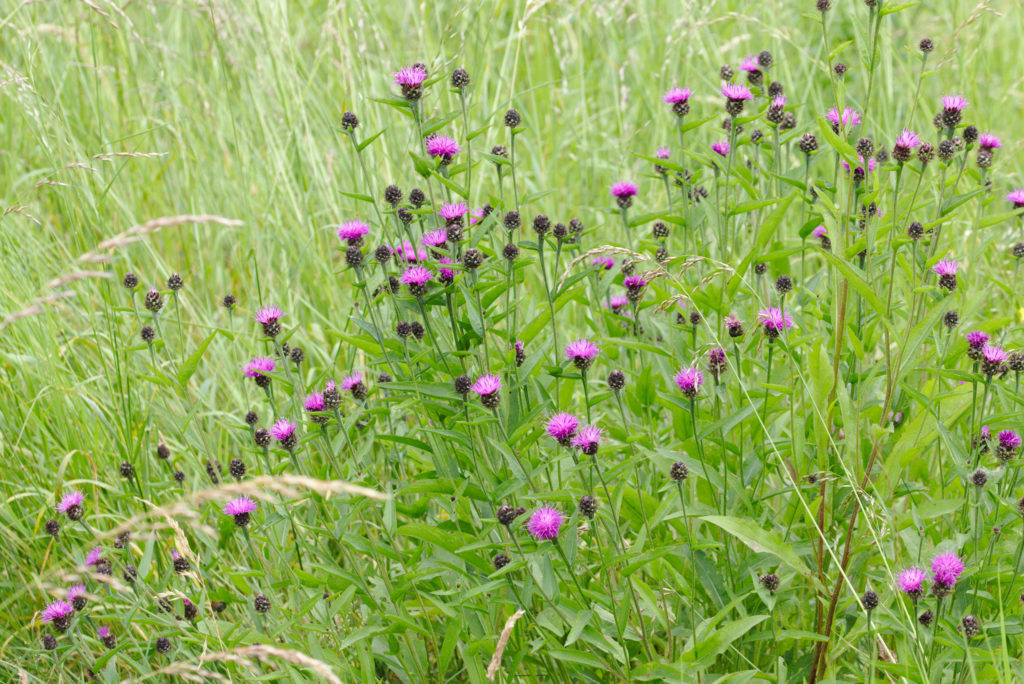
Knapweed 
Knapweed 
Snail 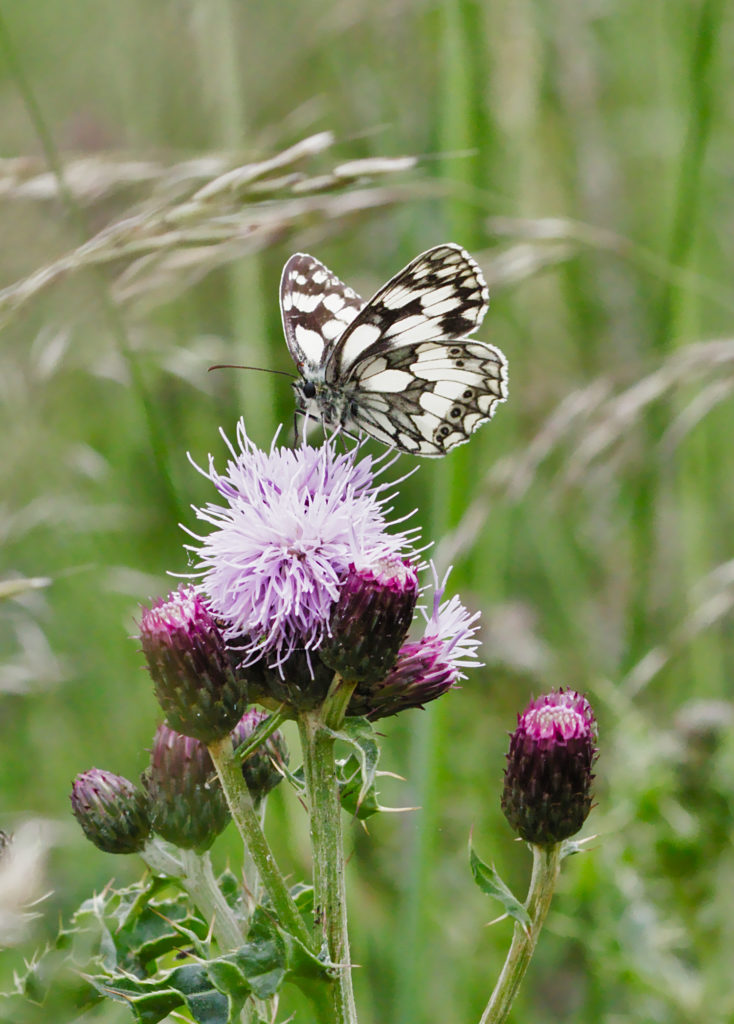
Marbled White 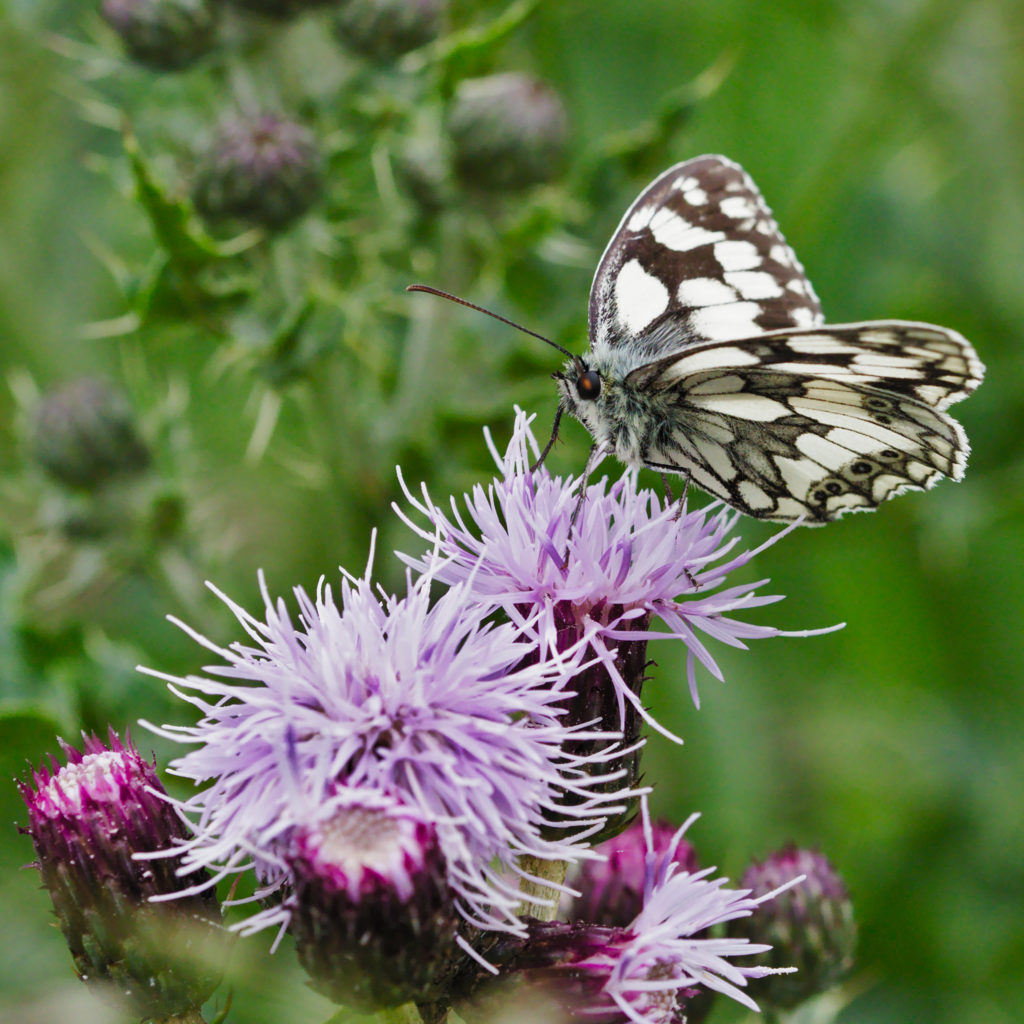
Marbled White 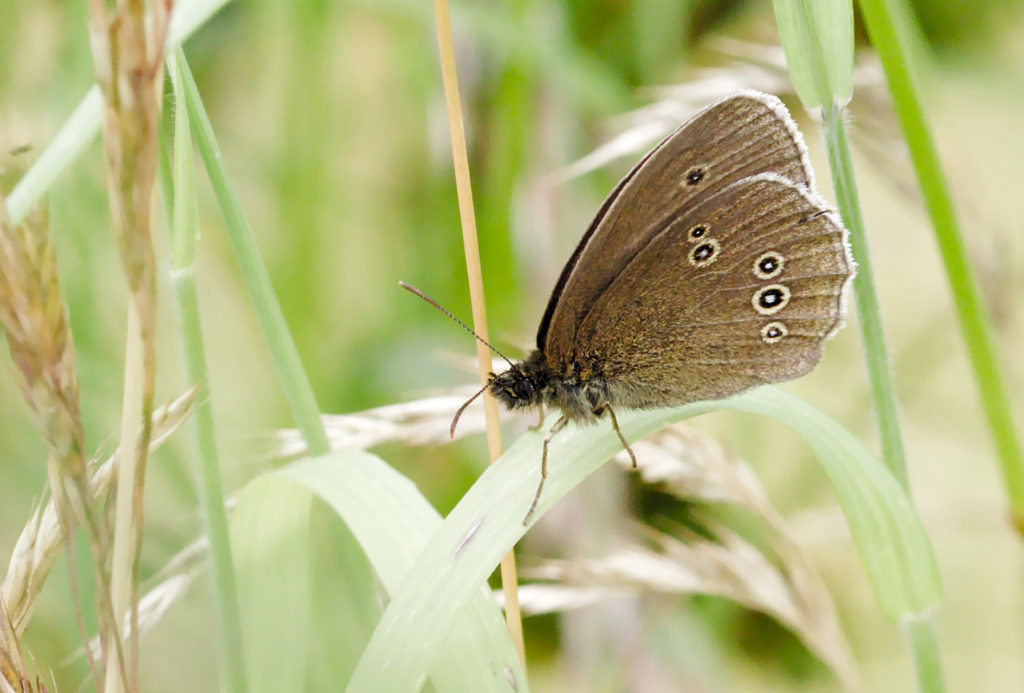
Ringlet 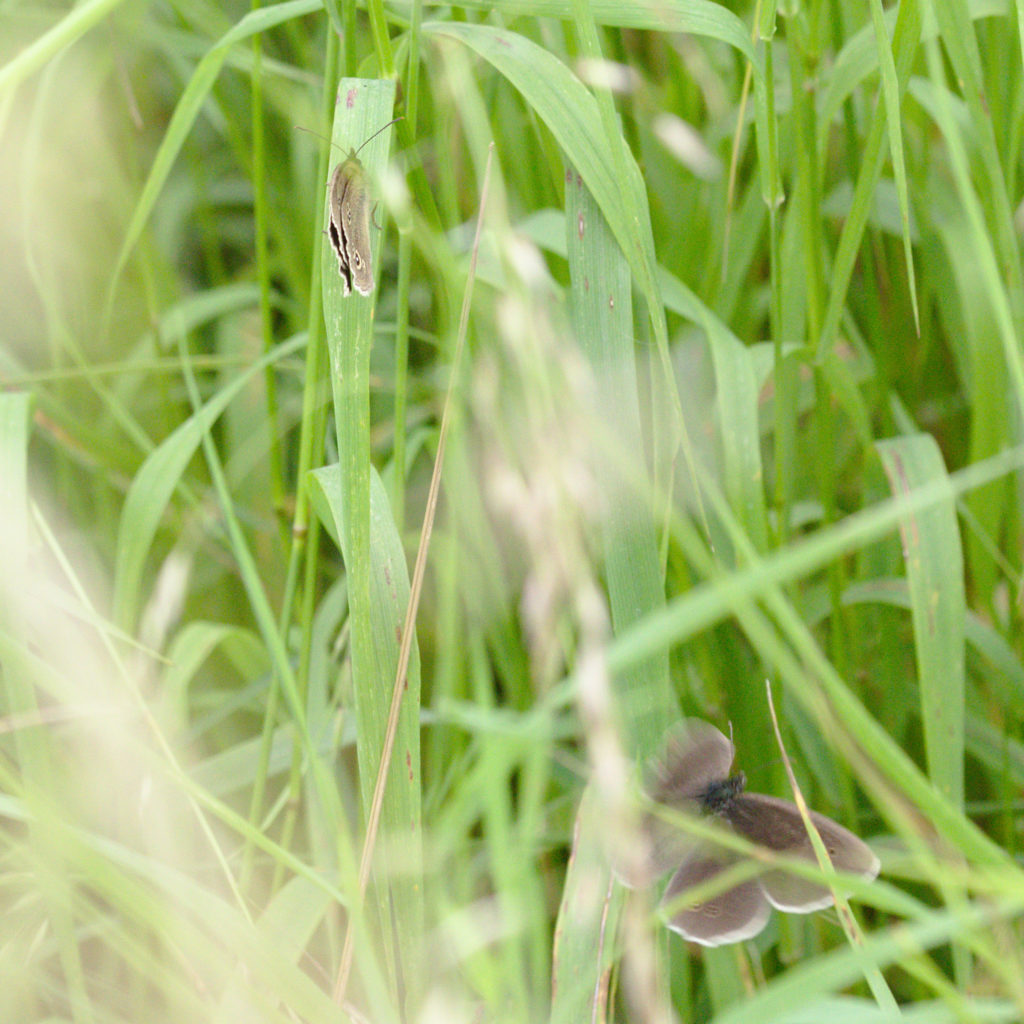
Ringlet 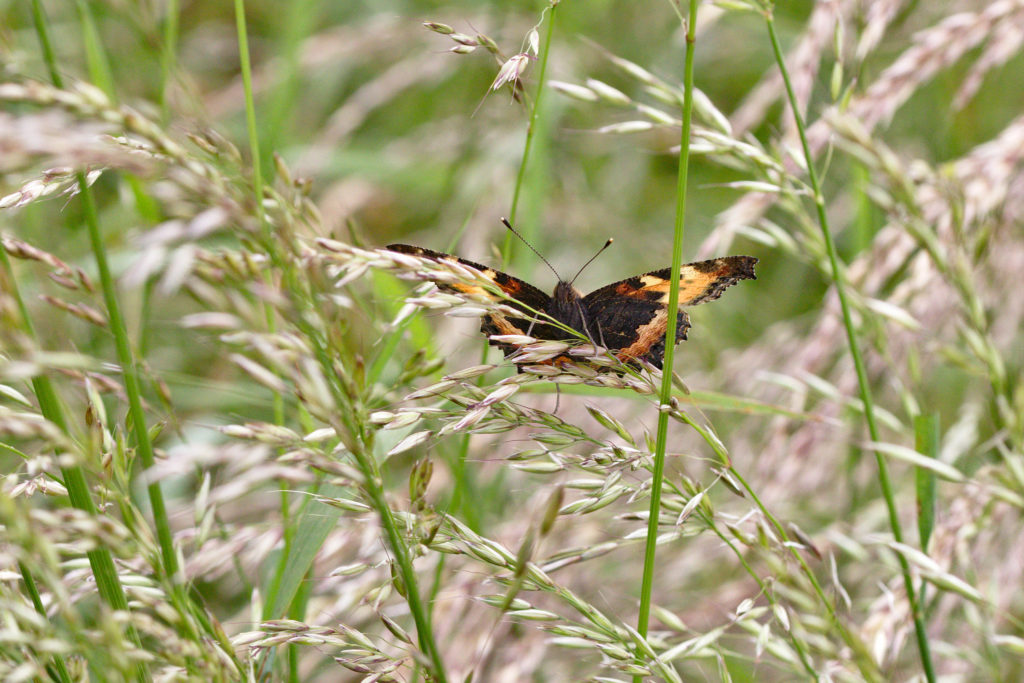
Tortoiseshell 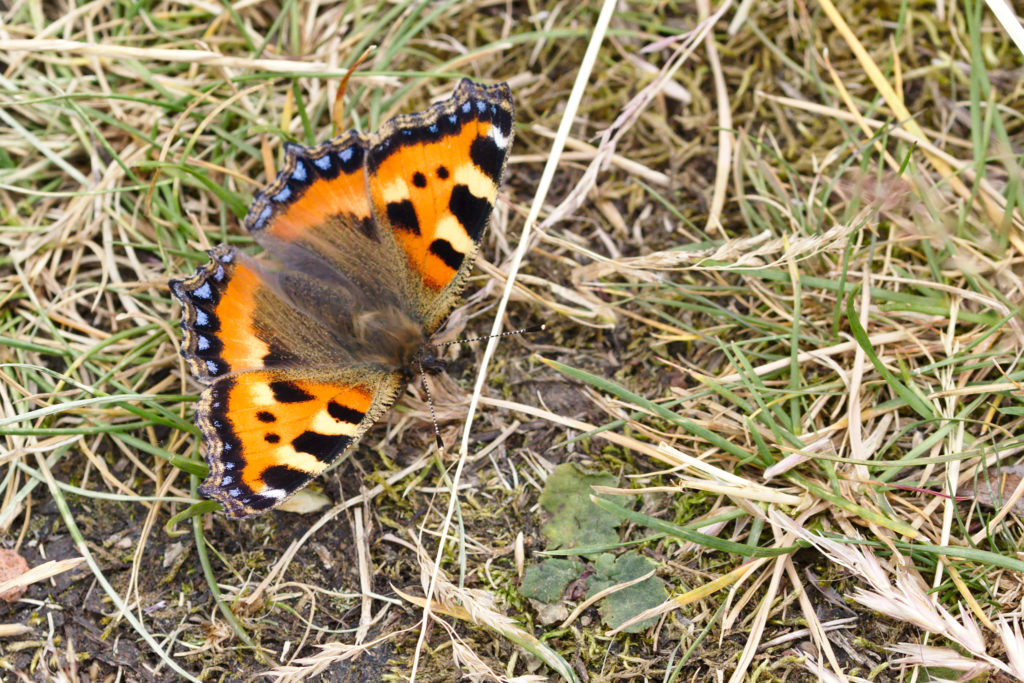
Tortoiseshell 
Old and faded Painted Lady 
Small Skipper 
Willow Herb 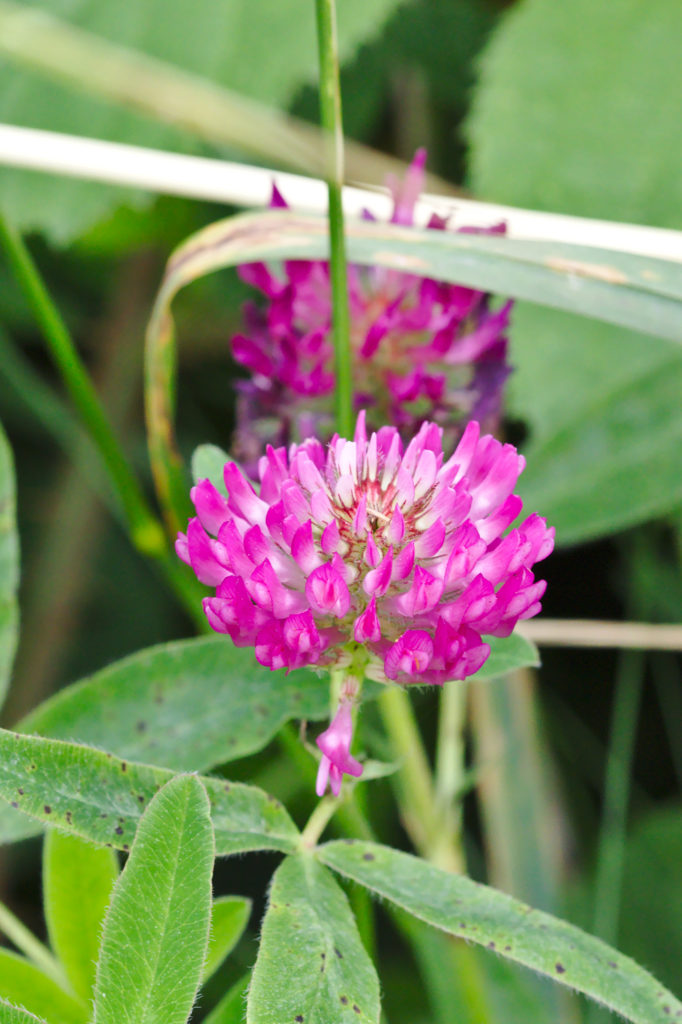
Red Clover

When leaving the field and going under the railway arch I was a little startled to see a wolf mask on the ground. At first glance it looked like the remains of something with a lot of teeth.
Leave a Reply